


TAIBAT UMMI YAKUBU
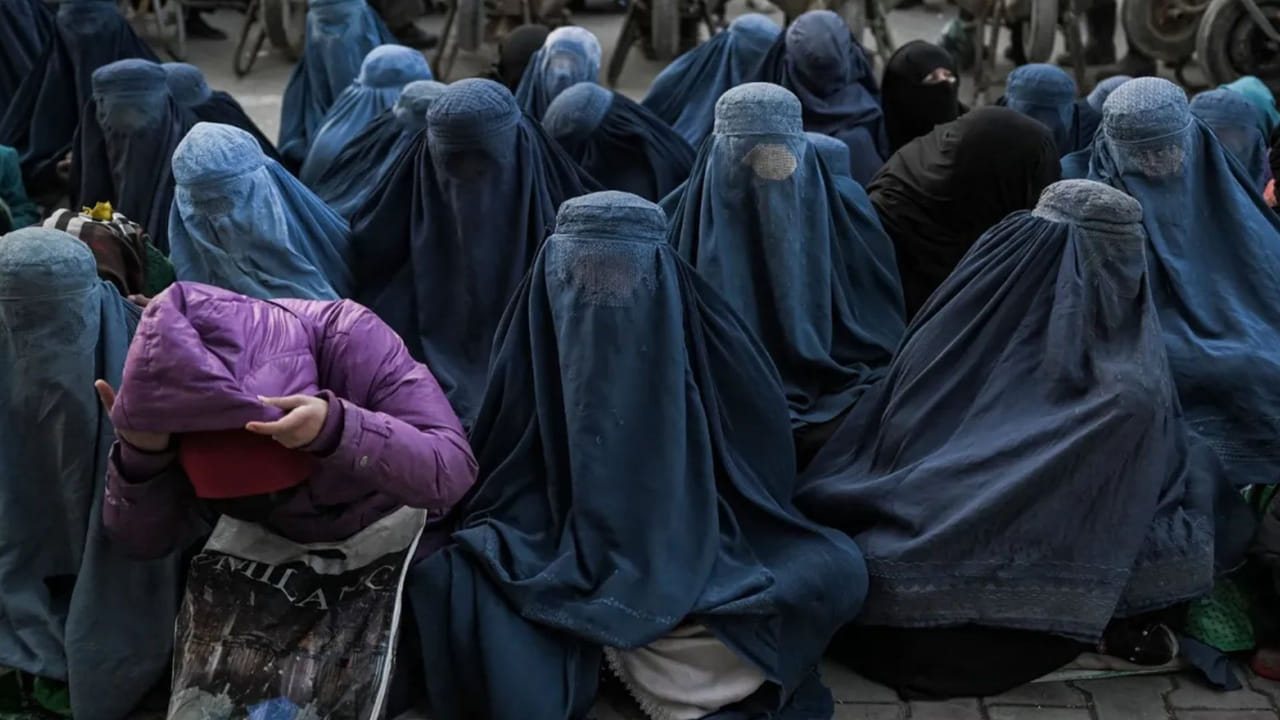
Afghan women could soon find themselves identified in hospitals and government records without their actual names, following reports that Taliban authorities in the country's northern Balkh province have ordered public workers to stop using women's names in official documentation.
The reported directive has triggered fresh alarm among women's rights campaigners, particularly after allegations emerged that some women are being referred to with animal names such as “cow” and “goat”, raising concerns about the treatment and recognition of women under Taliban rule.
The restriction reportedly covers medical documents, including patients' records and prescriptions, where healthcare workers have allegedly been instructed to use the word “Bibi” instead of women's actual names. The term is commonly used to address older women or grandmothers.
The allegations were reported by Spanish newspaper El País, which cited accounts from Afghan women, medical personnel and activists, as well as reports by Afghan media organisation Zan Times and The Guardian.
For Lalah Osmany, an Afghan women's rights campaigner now based in Germany, the development represents more than another administrative restriction. She said the reported practice reflects a wider effort to deny women their individuality and place in society.
“This is a systematic process of dehumanization,” Osmany told El País, adding that testimonies collected from different sources indicated that some women were being addressed with degrading animal-related terms.
An Afghan activist, whose identity was withheld, also confirmed the reported instruction but said some officials had so far refused to comply.
The concern among campaigners is that the restriction may not remain confined to Balkh. Zubaida Akbar, who heads the Afghanistan programme at women's rights organisation Femena, said previous Taliban restrictions had initially emerged in particular areas before being extended across the country.
Femena has reportedly recorded more than 144 decrees limiting Afghan women's rights, according to El País.
The latest allegations come against the backdrop of sweeping restrictions introduced since the Taliban reclaimed power in August 2021. Girls have been prevented from pursuing education beyond the age of 12, while women have faced widespread exclusion from employment, restrictions on public appearances and other limitations on their participation in society.
Even opportunities that women have attempted to preserve for themselves have come under pressure.
An Associated Press report published on November 17 documented how some women in Kabul have resorted to running businesses secretly and establishing underground schools to help girls continue learning despite the restrictions.
One woman who owns a beauty salon told the AP that Taliban authorities had previously raided her business and seized her equipment. Although she later reopened the salon, she said the pressure on women seeking to earn a living had become unbearable.
“But now, they won’t even allow that; for women in Afghanistan, working has become a crime,” she said.

A teacher working at an underground school in Kabul also described the risks facing those determined to continue educating girls.
“We are absolutely terrified of that possibility,” she said, referring to the fear of arrest.
The Taliban, however, have defended their restrictions. Mohammad Aslam, spokesman for the Ministry for the Promotion of Virtue and Prevention of Vice, told the AP that women could still engage in business and social activities provided they observed Islamic Sharia law and existing regulations.
But the reported removal of women's names from medical records has introduced another dimension to the controversy, with potential consequences for healthcare delivery.
Osmany warned that identifying female patients without their actual names could create confusion in hospitals, particularly where several patients share similar identifying details. She said the practice could increase the chances of mistakes involving prescriptions, medical histories and treatment.
The situation is especially concerning because Afghan women already face difficulties accessing medical services. Restrictions on male doctors attending to female patients, combined with barriers preventing women from studying medicine, have further reduced their healthcare options.
The dispute over women's names also marks a reversal of an earlier campaign led by Osmany, who began advocating in 2017 for mothers to be identified in official documents, including their children's birth certificates.
Her campaign, which attracted attention despite threats from extremists, recorded a breakthrough in 2020 when authorities approved the voluntary inclusion of mothers' names on birth certificates.
However, the gains made during that period have come under renewed pressure since the Taliban returned to power in August 2021, following the collapse of the US-backed Afghan government during the withdrawal of American troops.
The withdrawal itself became a major international controversy after an ISIS-K suicide bombing at Kabul airport killed 13 American service members during the evacuation. The incident also drew criticism of then-President Joe Biden from families of fallen troops.
For Afghan women's rights campaigners, however, the latest naming controversy highlights a much broader struggle: the fight to retain basic recognition in a country where women's access to education, employment, healthcare and public life has been drastically curtailed.
If implemented more widely, the reported directive could mean that women are not only excluded from important public institutions but also denied the use of their own identities within them.
Osmany, who has spent years campaigning for Afghan women to be recognised by their names, captured the significance of the struggle in a statement to El País: “Calling a woman by her real name in Afghanistan is an act of resistance.”

Comments (0)
No comments yet. Be the first to share your thoughts!