


By Our Correspondent (Katsinatimes)
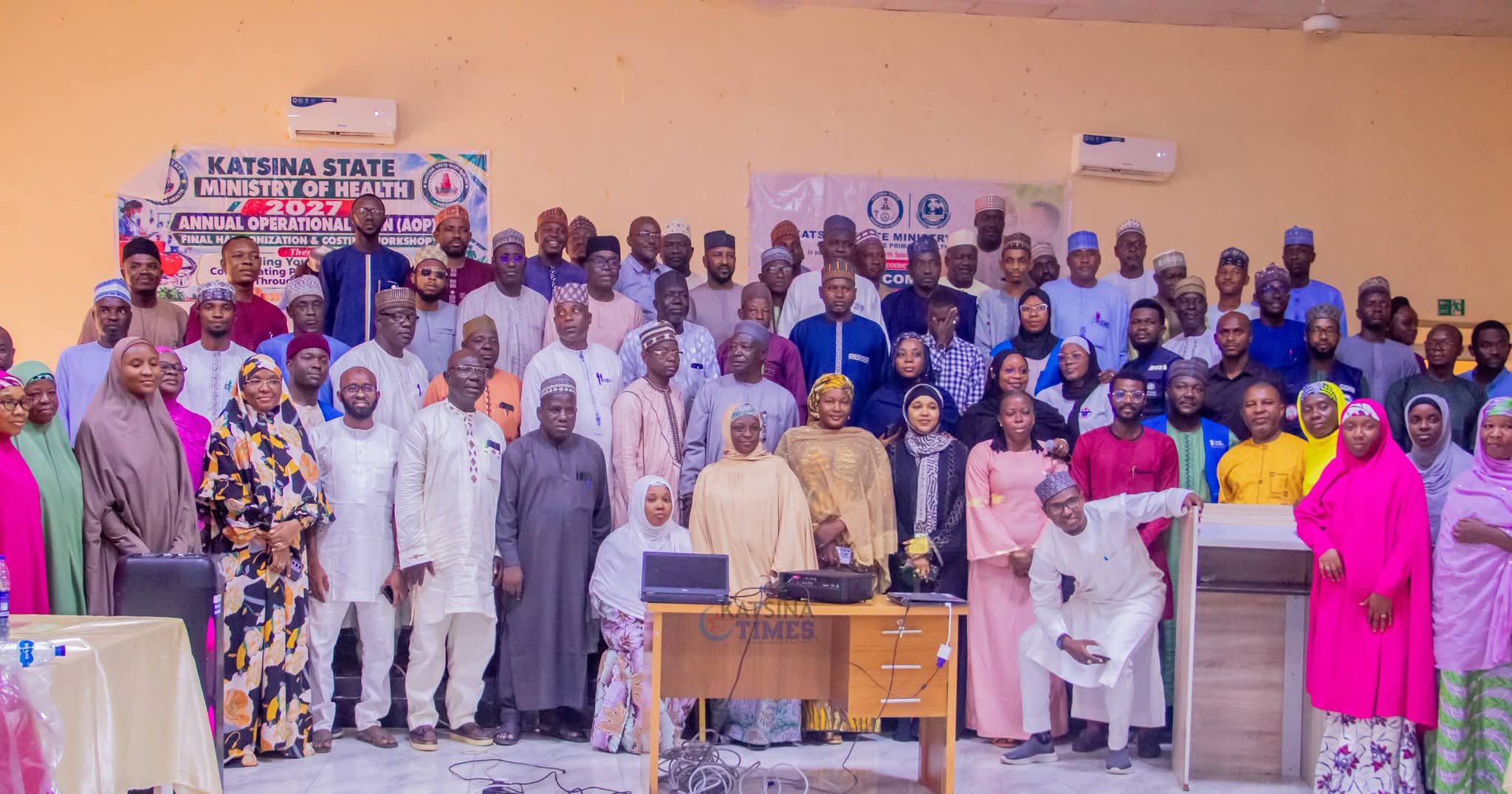
The Katsina State Ministry of Health has commenced a five-day workshop to harmonise and finalise its 2027 Annual Operational Plan (AOP), with stakeholders expected to align health priorities, budgets and development interventions for the coming year.
The workshop, which began on Monday at the Katsina Guest Inn Conference Hall, brought together officials of the Ministry of Health, the state Primary Health Care Development Agency, other health-related agencies, development partners and other stakeholders.
Declaring the workshop open, the Commissioner for Health, Musa Adamu Funtua, said effective planning and adequate allocation of resources were critical to achieving sustainable improvements in the state’s health sector.
He described the annual operational plan as a key roadmap for determining where the health sector was heading, what needed to be achieved and the resources required to achieve the set objectives.
According to him, the document would serve as a guide for government and its partners in implementing health programmes and ensuring that available resources were directed towards priority areas.
Funtua said the exercise was also an opportunity for stakeholders to examine available data, identify gaps and agree on realistic priorities that could be implemented within the 2027 financial year.
He urged participants to contribute their ideas and expertise to the process, stressing the importance of teamwork and collaboration in improving healthcare delivery.
The commissioner said the ultimate objective was to strengthen the health system and ensure that government programmes and interventions translated into tangible improvements in the lives of citizens.
“Health is life. Health is for all and it is essential for the wellbeing of our people,” he said.
He called for a more progressive and coordinated approach to health planning, urging stakeholders to work together towards achieving the state’s health priorities.
AOP to complement state budget — Official
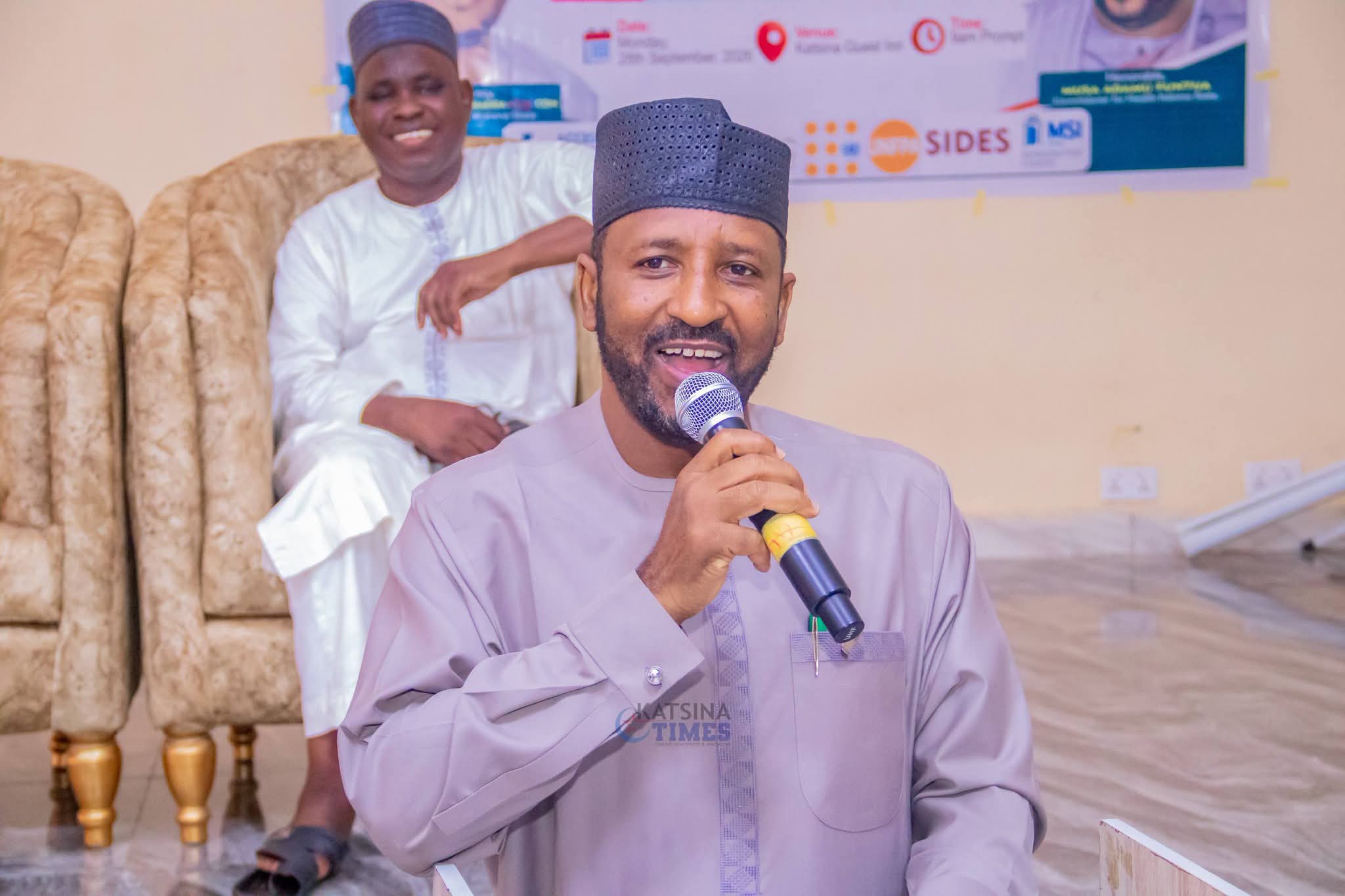
Speaking on the purpose of the workshop, Dr Aminu Bello Abdullahi, Director of Planning, Research and Statistics in the state Ministry of Health, said the Annual Operational Plan was designed to complement the state’s health budget and align it with the national health agenda.
He said the exercise was part of a nationwide process through which states develop annual operational plans to guide the implementation of their health programmes.
According to him, the plan would also complement the programmes and priorities of development partners operating in Katsina State.
“We set priorities, and these priorities are what will be implemented by the state government and equally by the partners that are working in the state,” Abdullahi said.
He explained that the five-day exercise was aimed at harmonising the priorities identified by the ministry, health agencies and development partners and transforming them into a practical working document.

He said the final document would guide the Ministry of Health in implementing the national health agenda while also helping development partners align their interventions with the state’s priorities.
Plan to focus on vulnerable communities — Sufi
Also speaking, Dr Musa Abdullahi Sufi of Access to Medicine Initiative and Sustainable Innovation and Development Solutions said the workshop provided an opportunity for government, development partners, health agencies and other stakeholders to agree on priority interventions for 2027.
Sufi, who works on improving maternal and child health through family planning, said the process had involved consultations with development partners and various government agencies at different levels.
He said the priorities being developed would focus on improving access to quality healthcare, reducing maternal and child mortality, increasing the availability of medicines and strengthening transparency and accountability in the health sector.
He added that the plan would also identify interventions aimed at reaching poor and vulnerable populations across the state.
According to him, the AOP would eventually serve as an important guide for the state’s health budget and implementation of programmes in 2027.
Sufi said the planning process also provided an opportunity for communities to contribute to identifying their health priorities.
He explained that development partners and non-governmental organisations would be able to align their interventions with the priorities contained in the operational plan, thereby reducing duplication and ensuring better use of available resources.
He said the state government was also emphasising value for money by ensuring that proposed activities directly benefited communities.
“The direction is that activities must be able to demonstrate how they will benefit people at the community level and improve their lives. This is what is informing the entire operational plan,” he said.
Stakeholders expect improved health outcomes in 2027
Sufi said stakeholders expected the implementation of the 2027 plan to result in increased programme activities, improved budget releases and better health outcomes across the state.
He identified expected outcomes to include reductions in maternal and child mortality, improved quality of life, greater availability of medicines and better access to healthcare services.
He, however, stressed that achieving the desired results would require the participation of communities alongside government and development partners.
Sufi said communities needed to take ownership of health interventions, particularly in areas such as nutrition, where government and development partners were providing support.
He urged communities to ensure that interventions provided for their benefit were properly utilised, rather than diverted or sold.
He said continuous engagement among government, development partners and communities remained essential to identifying challenges and developing practical solutions.


Comments (0)
No comments yet. Be the first to share your thoughts!